
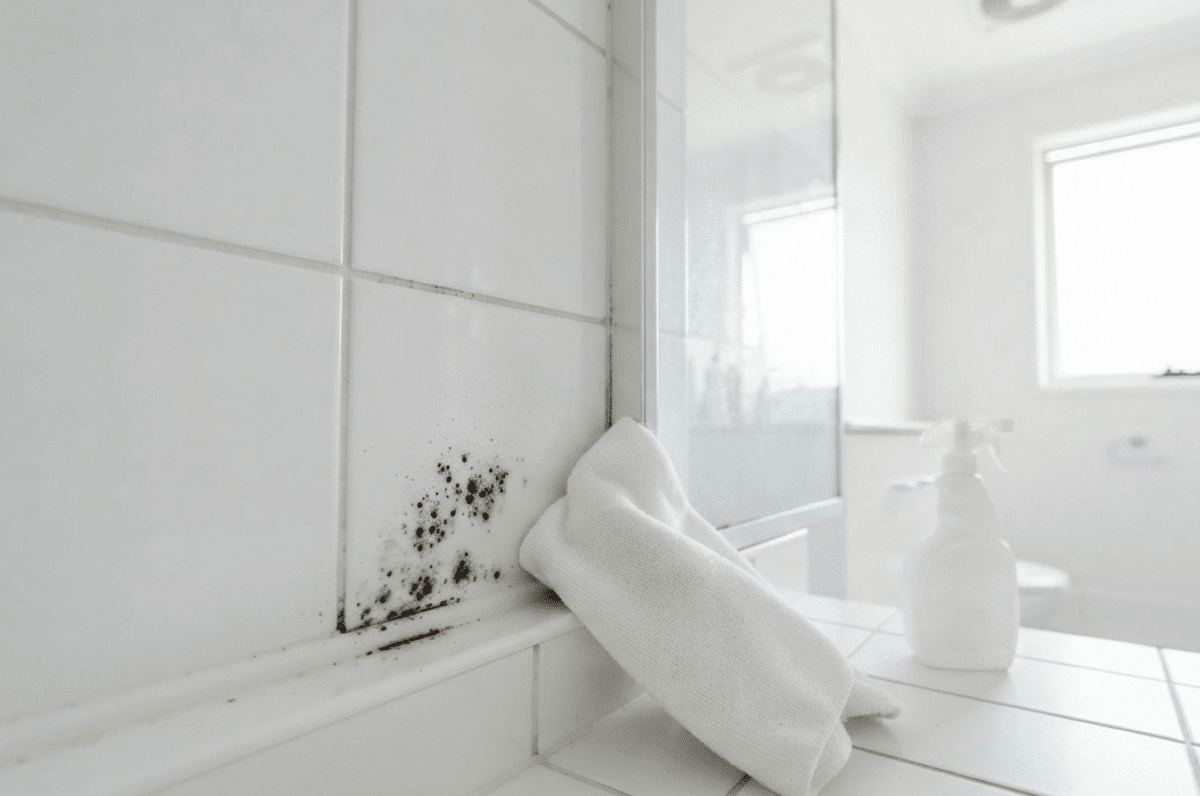
November is when Brisbane homes start to feel different. The air gets heavy, afternoon storms roll in, and suddenly there are black specks on the shower grout and a musty smell in the spare room that wasn’t there a month ago. It isn’t a sign that your home is dirty. It’s a sign that the season has changed, and mould loves the conditions that come with it. The good news is that most household mould is easy to manage once you know where to look and how to clean it properly. In this guide, we share practical mould cleaning tips Brisbane households can use right now, from tackling bathroom mould safely to keeping wardrobes fresh and knowing when a problem needs a specialist.
Why Mould Takes Off in Brisbane Homes in November
Mould needs three things to grow: moisture, warmth and something to feed on, such as dust, soap scum or natural fibres. In November, Brisbane delivers all three.
Here is what changes as spring turns into summer:
- Humidity climbs. Moist air settles into every room and lingers in spaces that don’t get much airflow.
- Storm season starts. Heavy downpours raise moisture levels inside and out, and rain can find its way through gaps around windows and doors.
- Nights stay warm. Mould doesn’t get the cooler break it gets in winter, so it keeps growing around the clock.
- Homes get closed up. Once the air conditioner goes on, windows stay shut and damp air gets trapped inside.
Queenslander homes, older brick units and newer airtight builds can all be affected. Bayside suburbs such as Wynnum and Manly deal with extra salt air, while leafy western suburbs such as Kenmore and The Gap often have shaded, slow-drying walls.
The key point is that humidity and mould in Brisbane go hand in hand. You can’t change the weather, but you can control how much moisture your home holds on to. That starts with knowing where mould likes to hide.
The Mould Hotspots to Check First in a Brisbane Home
Mould rarely appears in the middle of a clean, dry wall. It starts in the corners, seals and hidden spaces where moisture sits. Do a quick walk-through of these spots once a week during the humid months:
- Shower grout and silicone: the most common place for black spots, especially along the base of the screen and in corners.
- Bathroom ceilings and exhaust fans: steam rises and settles, and dusty fan covers trap moisture.
- Window tracks and sills: condensation and rain collect here and mix with dirt.
- Under the kitchen and bathroom sinks: slow drips and damp cleaning cloths create perfect conditions.
- Fridge door seals: the folds stay cool and damp and collect food residue.
- Wardrobes and linen cupboards: dark, closed and often packed tight against external walls.
- Behind furniture: beds, couches and bookcases pushed hard against walls stop air from circulating.
- Air conditioner vents and filters: units pull moisture from the air, and dirty filters can spread spores around the room.
If you spot early signs in any of these areas, act quickly. Small patches are far easier to clean than established growth, and the bathroom is usually the best place to start.
How to Clean Mould Off Bathroom Surfaces Safely
The bathroom is where most Brisbane households first notice mould, and it is where good technique matters most. Bathroom mould cleaning is about removing the growth without spreading spores or damaging surfaces.
Before you start
- Open a window and switch on the exhaust fan.
- Wear rubber gloves, and consider a P2 mask and eye protection if you are sensitive or working overhead.
- Use one cleaning product at a time. Never combine products.
- Have microfibre cloths ready that can go straight into a hot wash afterwards.
Tiles and grout
Hard, non-porous surfaces like glazed tiles respond well to a simple approach:
- Spray the area with undiluted white vinegar, or a mould remover made for bathrooms.
- Leave it to sit for around an hour so it can work into the growth.
- Scrub grout lines with a firm grout brush or old toothbrush.
- Rinse with warm water and dry the area thoroughly with a clean cloth.
Drying is the step most people skip, and it is the one that slows regrowth.
Silicone seals
Silicone is softer and slightly porous, so mould can grow into it rather than just on top. Light surface spotting can be treated the same way as grout. If black marks remain after a couple of treatments, the mould is usually inside the sealant, and replacing the silicone is the only lasting fix.
Ceilings and painted walls
Avoid soaking plasterboard. Lightly mist a microfibre cloth with your vinegar solution, wipe gently in one direction, then follow with a dry cloth. Work in small sections and fold the cloth often so you aren’t spreading spores. If marks return within a few weeks, it usually points to a ventilation problem rather than a cleaning one.
Kitchen Cleaning Tips for Humid Brisbane Weather
The kitchen produces a surprising amount of moisture through cooking, kettles, dishwashers and washing up. Add Brisbane’s November humidity and food residue, and you have an easy place for mould to settle. Focus on these areas:
- Fridge seals: Wipe the folds with warm soapy water or a vinegar solution, using a cotton bud for the tight creases. Dry them well and check the seal closes properly.
- Rangehood: Always run it while cooking. Soak or wash the filters every few weeks, since greasy filters trap steam and stop the fan working well.
- Pantry: Check for damp packets, clumping flour or a stale smell. Store dry goods in sealed containers and wipe shelves before restocking.
- Dishwasher: Clean the filter, wipe the door seal and leave the door slightly open after a cycle so it can dry out.
- Under the sink: Look for slow leaks, swollen cupboard bases or a musty smell. Don’t store damp sponges or cloths in a closed cupboard.
- Bins: Empty them often in hot weather, wash them out, and let them dry completely before putting a new liner in.
Once the kitchen and bathroom are under control, it’s time to deal with the quieter rooms where mould often goes unnoticed until you smell it.
Stopping Musty Smells in Bedrooms, Wardrobes and Living Areas
That musty smell in a bedroom or living room is often the first sign of a moisture problem, well before any mould is visible. Here is how to freshen these spaces and keep them that way.
Wardrobes and cupboards
- Leave doors open for an hour or two on dry days.
- Don’t overpack them. Air needs to move between clothes.
- Only put clothes away when they are completely dry.
- Use moisture absorbers and replace them when they fill up.
- Wipe shelves and walls with a vinegar solution if you notice spotting or a smell.
Soft furnishings and mattresses
- Vacuum couches, rugs and mattresses regularly to remove the dust and skin cells mould feeds on.
- Air mattresses by stripping the bed for a few hours on a sunny, low-humidity day.
- Wash cushion covers and throws more often during the humid months.
Curtains and windows
- Wipe condensation off windows in the morning before it soaks into the frames and curtains.
- Check the back and hem of curtains for spotting, and wash them according to their care label.
- Clean window tracks with a vacuum crevice tool, then a damp cloth, then a dry one.
Furniture placement
Leave a small gap of a few centimetres between large furniture and external walls. It lets air circulate and stops hidden mould growing behind bedheads and couches.
Cleaning these areas makes a big difference, but small daily habits are what keep the moisture from building up again.
Everyday Habits That Keep Humidity and Mould Under Control
If you want to prevent mould in your Brisbane home, prevention beats cleaning every time. None of these habits take long, and together they make a noticeable difference over summer:
- Run the exhaust fan during every shower and for at least 15 to 20 minutes afterwards.
- Open windows on dry days. Mornings are often less humid, and a cross breeze clears damp air quickly.
- Use a dehumidifier or your air conditioner’s dry mode in rooms that feel stuffy or smell musty. Empty the dehumidifier tank regularly.
- Hang wet towels and bath mats to dry in a well-ventilated spot, rather than leaving them bunched on the floor.
- Squeegee the shower screen and tiles after use to cut drying time.
- Dry clothes outside or in a dryer where possible, since indoor clothes airers add a lot of moisture to a room.
- Cover pots when cooking and run the rangehood.
- Fix drips and leaks quickly, whether it’s a tap, a toilet cistern or a storm leak around a window.
- Clean air conditioner filters every few weeks during heavy use.
These habits work best when your cleaning methods aren’t working against you, which brings us to the mistakes worth avoiding.
Common Mould Cleaning Mistakes That Make the Problem Worse
Plenty of well-meaning cleaning efforts end up spreading mould or hiding it for a few weeks before it comes back. Watch out for these common mistakes:
- Using bleach on porous surfaces. Bleach can whiten the stain on plasterboard, timber or grout, but it doesn’t reliably reach the growth beneath the surface. The mark fades, then returns.
- Mixing chemicals. Combining bleach with vinegar, ammonia or other cleaners can release toxic gases. Stick to one product, rinse, and ventilate.
- Painting over mould. Paint traps the moisture and the mould underneath. It will usually bubble or show through again, and the job becomes harder.
- Dry-brushing or dry-dusting. Brushing dry mould sends spores into the air and onto other surfaces. Always dampen the area first.
- Reusing dirty cloths. Wiping one patch and then another simply moves spores around the house. Use fresh cloths and wash them hot.
- Not drying the area afterwards. Leaving a surface wet after cleaning gives mould the moisture it needs to return.
- Ignoring the cause. Cleaning without fixing ventilation, leaks or condensation means you’ll be doing the same job again next month.
Avoiding these mistakes will handle most everyday mould. Some situations, however, are beyond what any cleaning routine should take on.
When Surface Cleaning Is Enough and When to Call a Mould Specialist
It helps to be honest about the line between a cleaning job and a remediation job. Getting it right protects your home and your health.
Surface cleaning is usually enough when:
- The mould is light spotting on hard surfaces like tiles, grout, glass or sealed benchtops.
- The patch is small, roughly the size of a hand or two.
- It appears in an expected damp spot, such as the shower, and clears with regular cleaning.
- There is no water damage, staining or soft plaster underneath.
It’s time to call a mould specialist when:
- Mould covers a large area of wall, ceiling or flooring.
- It keeps coming back quickly after a thorough clean.
- There is an active leak, rising damp or storm damage behind it.
- Plasterboard is soft, bubbling or stained brown, or timber is warped.
- There is mould inside wall cavities, roof spaces or ducted air conditioning.
- Someone in the home has asthma, allergies, a weakened immune system or ongoing symptoms that seem linked to the house.
A professional house cleaner is well suited to routine surface mould and to keeping the problem from building up. Specialists are the right call for anything structural, widespread or health related. If you rent, report persistent mould or leaks to your property manager in writing as soon as you notice them.
How Regular House Cleaning in Brisbane Helps Keep Mould Away
Most mould problems don’t start overnight. They build slowly, as soap scum, dust and moisture collect week after week in the same corners. Regular house cleaning breaks that cycle before mould has a chance to take hold.
At Home Style Cleaning, our weekly and fortnightly services keep high-risk areas in check throughout the humid months:
- Bathrooms cleaned and wiped dry, with attention to grout, screens and silicone.
- Kitchens cleaned, including benchtops, sinks, appliance fronts and splashbacks.
- Floors vacuumed and mopped, and dust removed from surfaces where mould feeds.
- Early warning signs flagged, so you know about a problem spot before it spreads.
Every clean follows a structured checklist, and you can tell us your priorities for the visit. Our cleaners are vetted, police-checked and trained to work respectfully in your home. We are fully insured with QBE, with $20M public liability cover, and our cleaners bring all the required equipment.
Pricing is clear and upfront, based on the size of your home and the services you choose. Regular weekly or fortnightly cleans come with a discounted hourly rate after your first clean, and payment is only processed once the job is done. If anything isn’t right, our 100% Gold Standard Guarantee means we will come back and re-clean the area at no extra cost when you let us know within 24 hours.
Our local teams work across Brisbane, including:
- Bayside: Manly, Wynnum, Lota, Tingalpa, Wakerley and Carindale
- Northside: Nundah, Clayfield, Ascot, Chermside, Aspley and Kedron
- Southside: Coorparoo, Camp Hill, Bulimba, Holland Park and Carina
- West: Indooroopilly, Toowong, Kenmore, Bardon and The Gap
Conclusion
November humidity doesn’t have to mean a summer of black spots and musty rooms. Mould grows when moisture, warmth and grime meet, so the most effective approach is to tackle all three.
To recap the key mould cleaning tips for Brisbane homes:
- Check the usual hotspots weekly, starting with the bathroom.
- Clean mould with one product at a time, protect yourself, and always dry the surface afterwards.
- Keep kitchens, wardrobes and soft furnishings dry and well ventilated.
- Build simple habits like running exhaust fans and using dry mode on humid days.
- Avoid bleach on porous surfaces, mixing chemicals and painting over mould.
- Call a specialist for large, recurring or leak-related mould.
If you’d rather spend your weekends enjoying Brisbane’s summer than scrubbing grout, Home Style Cleaning can help. Our trusted local cleaners provide once-off and regular house cleaning across Brisbane, so your home stays fresh, clean and easier to look after all season long.
Book your clean online in two minutes, or call us on (07) 3073 2625 for a free quote.






Leave A Comment